
the Creative Commons Attribution 4.0 License.
the Creative Commons Attribution 4.0 License.
 | 27 Aug 2026
Physicochemical and microbial quality of tanker-delivered drinking water in Tamale Metropolis, Ghana
Richard Agyemang Osei
Moses Braimah Wunpini
Commercial water tanker services provide an important alternative source of drinking water in rapidly urbanizing cities where piped water supply is inadequate. However, concerns remain regarding water quality deterioration during transportation and storage. This study assessed the physicochemical and microbial quality of water supplied by commercial tanker operators in the Tamale Metropolis, Ghana, and examined operational practices influencing water safety. A total of 54 water samples were collected from nine tanker operators and analysed using standard APHA methods, while structured questionnaires were administered to 50 operators to evaluate water sources, cleaning frequency, and hygiene practices. The results showed mean values of 30.16 ± 0.66 °C for temperature, 7.48 ± 0.31 for pH, 269.1 ± 0.04 NTU for turbidity, 126.49 ± 9.28 µS cm−1 for electrical conductivity, 0.073 ± 0.007 ppt for salinity, and 0.52 ± 0.42 mg L−1 for dissolved oxygen. Total and faecal coliform counts averaged 47.96 ± 104.90 and 40.59 ± 84.96 CFU/100 mL, respectively. While most physicochemical parameters complied with WHO (World Health Organization) drinking-water guidelines, turbidity exceeded the recommended limit in all samples, and oxidation–reduction potential values indicated inadequate disinfection. Total coliforms and faecal coliforms were detected in 38.9 % and 29.6 % of the samples, respectively, confirming post-treatment contamination during transportation and storage. Survey findings revealed that although most operators sourced water from the Ghana Water Company Limited, variations in cleaning frequency and hygiene practices likely contributed to the deterioration in water quality. These findings highlight the need for strengthened regulatory oversight, routine tanker inspection and disinfection, improved operator hygiene practices, and continuous water quality monitoring to safeguard public health.
- Article
(1303 KB) - Full-text XML
- BibTeX
- EndNote


Access to sufficient quantities of safe drinking water is essential for protecting public health and meeting basic domestic needs, irrespective of age or socioeconomic status (Howard and Bartram, 2003). Despite being recognized as a fundamental human right, access to safe and affordable drinking water remains beyond the reach of many people, especially those in low-income and underserved communities worldwide (WHO and UNICEF, 2023). Although there has been significant progress in access to water in many regions, by 2015, over 663 million people lacked access to improved drinking water sources, and an estimated 2.1 billion did not have access to safely managed sources (WHO and UNICEF, 2017). Additionally, climate change, rapid population growth, and urban sprawl have created increasingly complex challenges for urban water distribution (Borah, 2025). These factors place increasing pressure on available water resources and intensify the challenge of meeting the growing demand for reliable and safe drinking water (UN-Water, 2023). The systems in urban regions are such that managing the concept of internal urban water security is not a trivial task (Srinivasan et al., 2017). Such interactions considerably change over time and space, depending on climate, geography, urban development, demography, socio-economy, and governance, and can influence long-term impacts even beyond urban boundaries (Van der Perk, 2013; Bain et al., 2014). According to the WHO/UNICEF Joint Monitoring Programme (JMP), water supplied by tanker trucks has historically been classified as an unimproved drinking water source because its quality and reliability cannot always be assured. Nevertheless, in many developing countries, tanker water and other small-scale water providers play an important role in supplying water to low-income households and populations living in rural and peri-urban areas where piped water services are inadequate (WHO and UNICEF, 2006; Alba et al., 2019). Some tankers might supply water from sources deemed safe to drink, it has been suggested that numerous health risks are linked to water distributed through these tankers, such as inadequate treatment or transportation in unsuitable containers (WHO, 2008). For example, a diarrhoea outbreak did occur due to the use of tanker water (also known as Vended water) (Hutin et al., 2003). The WHO Guidelines for Drinking-water Quality recommend that, at the point of delivery, free residual chlorine should be maintained at a concentration of at least 0.5 mg L−1 after a minimum contact time of 30 min to ensure effective disinfection (WHO, 2008). In a previous survey, it was found that poor management of the hydrants and tankers by the Ghana Water Company Limited (GWCL) and operators, respectively, was the root cause of the poor quality of water supplied by the tankers to consumers (Obeng et al., 2010).
The quality of water is a crucial factor for population health, environmental sustainability, and socio-economic development (WHO, 2022; UNEP, 2016). In cities like the Tamale Metropolis, where piped water supply may be inadequate, the services of commercial water tankers that deliver potable water to residents, businesses, and organisations are very important (Osumanu, 2008; Stoler et al., 2012). There has been debate about the quality of water supplied by these tankers, as it can become contaminated at any stage during sourcing, storage, or distribution (Stoler et al., 2012; WHO, 2017). Factors influencing the quality of water supplied by tanker vendors include the source of the water, such as boreholes, surface water, or public standpipes, as the initial water quality largely determines the physicochemical and microbiological characteristics of the distributed water (WHO, 2017; Kumpel and Nelson, 2016). Microbial and chemical contamination can arise from poorly maintained or untreated storage tanks and cross-contamination from unclean sources, posing significant health risks to consumers (Kumpel and Nelson, 2016; WHO, 2017). Improving water supply systems remains a key strategy to address these risks despite challenges related to demand and resource regulation (UN-Water, 2021). The research thus aimed to assess water supplied by commercial tanker services within Tamale Metropolis. The study equally determines the physicochemical and microbial water quality parameters of water from tanker suppliers, and evaluates factors influencing the water quality dynamics
The study was conducted in the Tamale Metropolis, the capital of the Northern Region of Ghana, as shown in Fig. 1. The metropolis experiences a tropical savannah climate characterized by a single rainy season (typically from May to October) and a prolonged dry season (November to April), with mean annual rainfall ranging from approximately 900 to 1100 mm. These climatic conditions influence water availability and access throughout the year (Abdulai and Kuwornu, 2014). Due to rapid urbanization and inconsistent piped water supply, many residents and institutions in Tamale rely on commercial water vendors for domestic and institutional water needs (Osumanu, 2008; Osumanu et al., 2025). In the present study, most tanker operators obtained water from the GWCL, although a small proportion sourced water from boreholes and surface water. This dependence raises public health concerns regarding transportation hygiene, microbial contamination, and compliance with WHO and national drinking-water standards (WHO, 2017).
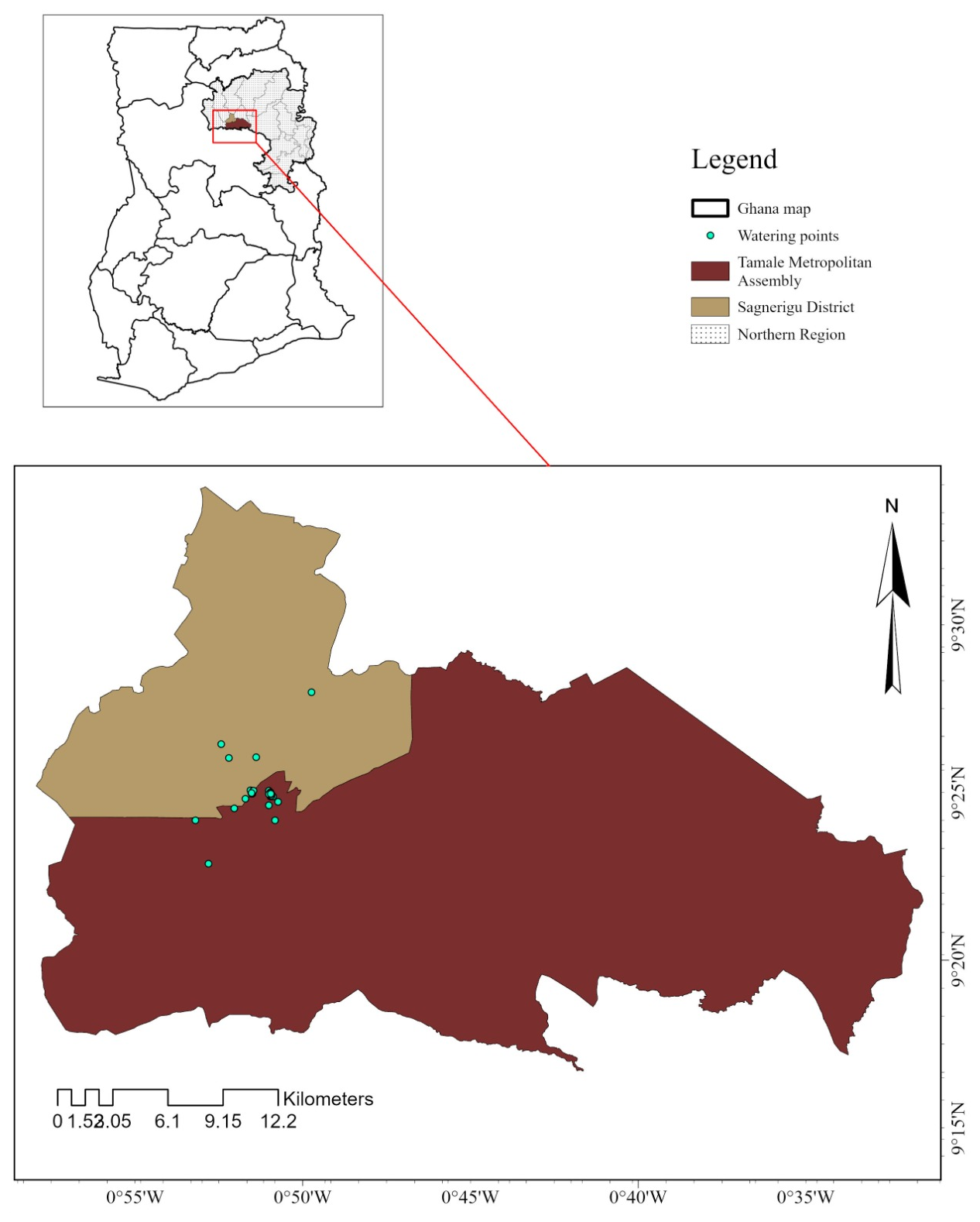
Figure 1Map of Sample Points in the Tamale Metropolis.
To ensure accurate and uncontaminated results, all water samples were carefully prepared using standard laboratory procedures recommended by American Public Health Association (APHA) and WHO (WHO, 2017; Lipps et al., 2023). The preparation was done as follows: 500 mL plastic bottles were used for sampling; all bottles were pre-sterilized and tightly sealed. Bottles were labeled in advance using a permanent marker and waterproof tags. Water was collected directly from tanker outlets after allowing it to flow for about two to three minutes to flush out stagnant water. The bottles were filled without touching the inside of the caps or the rims to avoid contamination. Samples were collected in January and March. It is during this period that water is scarce in the Tamale Metropolis, as a result, tanker services are heavily patronised.
Parameters including temperature, pH, EC, TDS, Salinity, turbidity, and Oxidation Reduction Potential (ORP), were measured using an Aquameter, whiles Standard methods recommended by APHA (Lipps et al., 2023) were followed. Microbial analysis was conducted using the membrane filtration method for the detection of total coliforms and faecal coliforms. A 100 mL of each water sample was filtered through a sterile 0.45 µm membrane filter using a membrane filtration unit. The membranes were then aseptically placed on absorbent pads saturated with membrane lauryl sulfate broth (MLSB) in sterile Petri dishes. Plates were incubated at approximately 35 °C for total coliforms and 44.5 °C for faecal coliforms, reflecting the thermotolerant characteristics of the latter. After incubation, distinct colonies were enumerated using a digital colony counter. The results were expressed as colony-forming units per 100 mL of sample, in line with the APHA Standard Methods and WHO guidelines (WHO, 2017; Lipps et al., 2023).
In addition to water sampling, questionnaires were administered to 50 tanker operators to obtain supplementary information on water sources, sanitation practices, seasonal variations, and institutional awareness. The sample size was determined based on practical field considerations and the estimated population of tanker operators within the Tamale metropolis, for which no comprehensive official registry exists. Given the absence of a reliable sampling frame, a purposive sampling approach was adopted (Creswell and Creswell, 2018) targeting active and accessible tanker operators across major operational zones. The selected sample size is consistent with recommendations for exploratory and cross-sectional research designs (Creswell and Creswell, 2018). This number was therefore considered sufficient to capture variability in operational practices while remaining feasible within the time and resource constraints of the present study.
Data Analyses
To determine whether there was a significant difference in water quality compared to the standards provided by the Ghana Water Company Limited (GWCL) and the World Health Organization (WHO, 2017), a two-sample t-test was employed.
For the categorical (percentage-based) data collected through surveys such as tanker cleaning frequency, methods used to ensure safety, and tanker capacity results were analyzed using frequency distributions and expressed in percentages to identify dominant trends. To examine potential associations between physicochemical and microbial parameters, Spearman's rank correlation coefficient was employed because it is appropriate for non-parametric data that do not necessarily satisfy the assumptions of normality (Bewick et al., 2004; Zar, 2010). A significance threshold of p<0.05 was adopted to determine statistical significance across all analyses (Bewick et al., 2004).
4.1 Temperature
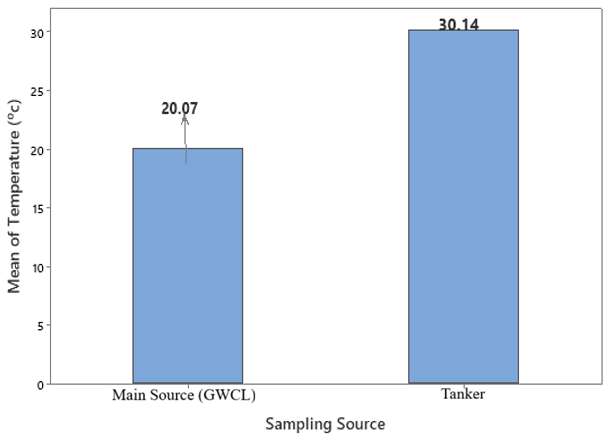
The average temperature of tanker water was 30.14 °C, compared to 20.07 °C for the source water, indicating an increase of approximately 10.07 °C after transportation as presented in Fig. 2. It was determined that there is a statistically significant difference in temperature between the source water and the water distributed by tanker (p=0.001). This significant rise in temperature may be attributed to exposure to ambient heat, the lack of insulation in tanker containers, and potential delays in water delivery (WHO, 2017). Elevated temperatures in drinking water may promote microbial activity, alter its taste, and reduce the effectiveness of residual disinfectants such as chlorine, thereby compromising water quality (WHO, 2017; Edokpayi et al., 2018).
4.2 Potential Oxidation Reduction
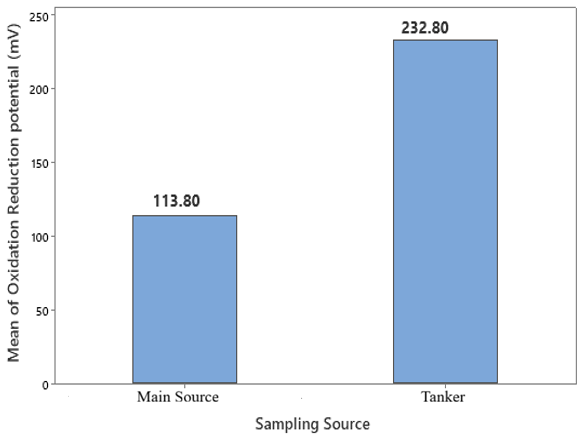
The mean ORP value of tanker water was 113.8 mV, while that of the source water was 119.0 mV as presented in Fig. 3. This marginal difference suggests that tanker distribution did not exert a significant influence on the redox characteristics of the water. ORP is an important indicator for predicting the effectiveness of water disinfection and the chemical stability of the system (WHO, 2017). Generally, ORP levels above 650 mV are indicative of effective disinfection processes, while lower values may permit microbial regrowth (Sawyer et al., 2003; Rice et al., 2012).
4.3 Power of Hydrogen (pH)
The analysis showed that the mean pH of water supplied through tanker deliveries was 7.49, whereas the mean pH of the source water was higher, at 8.72 (Fig. 4). The mean difference was statistically significant (p=0.01), indicating a decrease in pH after transportation by tanker. This reduction may be attributed to several factors, including exposure to ambient temperatures, absorption of atmospheric CO2 during storage, or potential leaching and contamination from the tanker materials themselves (WHO, 2017; Edokpayi et al., 2018). Despite this decline, the pH of tanker water remained within the acceptable range for drinking water (6.5–8.5) as set by both the WHO and the Ghana Standards Authority, suggesting that water acidity or alkalinity was not adversely compromised (WHO, 2017).
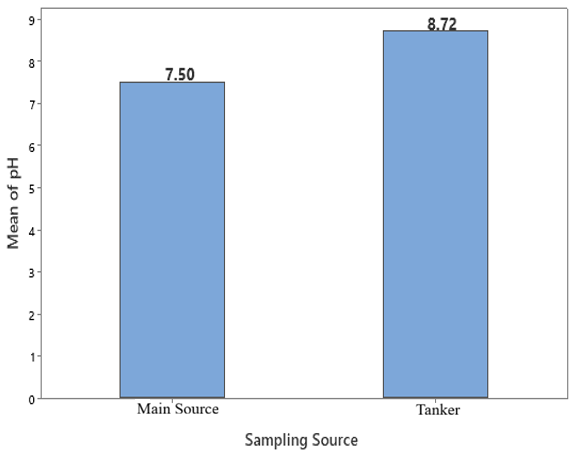
Similar variations in pH have been reported in other studies conducted in Ghana. For instance, Essumang et al. (2011) reported pH values ranging between 6.80 and 8.30 for sachet and well water in the Cape Coast Region, and between 6.92 and 8.45 for water in the Kumasi Metropolis. These findings are consistent with the present study, highlighting that although slight pH fluctuations occur largely depending on storage and transportation conditions, the values generally remain within acceptable drinking water limits.
4.4 Electrical Conductivity
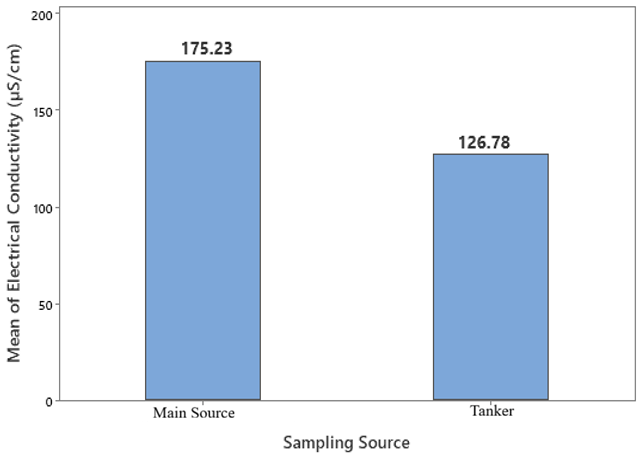
The electrical conductivity (EC) of the water samples increased significantly from 126.77 ± 9.26 µS cm−1 in the source water to 175.23 ± 6.99 µS cm−1 (Fig. 5) in the tanker-distributed water (p=0.008). This rise may be attributed to the leaching of dissolved solids from tanker containers or the accumulation of ions during storage and transport. Although the World Health Organization (WHO) does not specify a health-based guideline value for electrical conductivity (EC) in drinking water, EC is widely used as an indicator of dissolved ionic constituents and overall mineralization of water (WHO, 2022). The Ghana Standards Authority (GSA) recommends a maximum acceptable limit of 1500 µS cm−1 for electrical conductivity in drinking water, above which increased mineral content and potential impacts on taste and consumer acceptability may occur (GSA, 2013). The EC values observed in both the source and tanker water in this study were well below this threshold, indicating that the ionic content does not pose an immediate health risk. These findings are consistent with those of Essumang et al. (2011), who reported an average EC of 201.08 ± 70.45 µS cm−1 in sachet water samples from the Cape Coast region.
4.5 Total Dissolve Solid
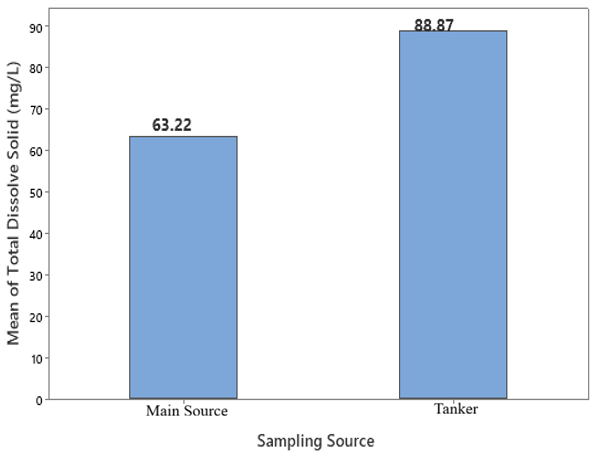
The mean concentration of Total Dissolved Solids (TDS) in the tanker water (88.87 ± 5.92 mg L−1) was significantly (p=0.018) higher than in the source water (63.22 ± 4.23 mg L−1) as presented in Fig. 6. This rise is likely due to changes occurring during transportation and storage, potentially from leaching of tanker materials, the presence of dissolved minerals, or environmental contamination during delivery. Despite this increase, all TDS levels remained below the recommended maximum of 1000 mg L−1, as specified by the World Health Organization (WHO, 2017) and the MWRWH (2015). These findings align with previous studies, such as Essumang et al. (2011), who reported TDS values ranging from 74.00 to 249.00 mg L−1 in treated water in Ghana, all within safe limits. Similarly, Obiri-Danso et al. (2009) recorded average TDS levels below 100 mg L−1 in domestic water samples from Kumasi. Collectively, these comparisons confirm that while TDS levels may increase during tanker distribution, they remain within acceptable health standards.
4.6 Turbidity
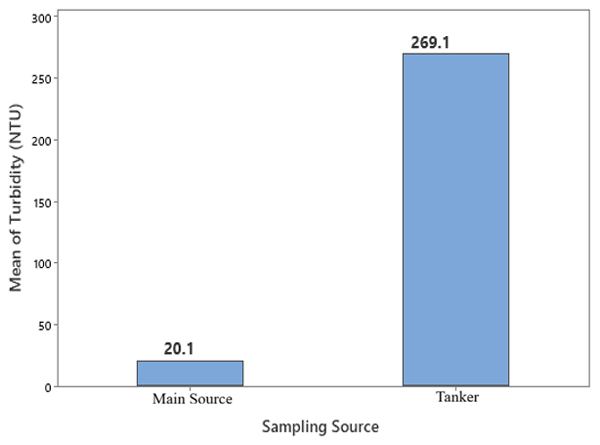
The average turbidity of the tanker water samples was 269.1 NTU, which was substantially higher than the source water average of 20.10 NTU, representing a mean difference of 249.0 NTU (Fig. 7). This appreciable and statistically significant increase (p<0.001) indicates that water quality deteriorated markedly during tanker transportation. Elevated turbidity is often associated with suspended solids, organic matter, and microbial contamination, and it also reduces the effectiveness of disinfectants such as chlorine (WHO, 2017; Rice et al., 2012).
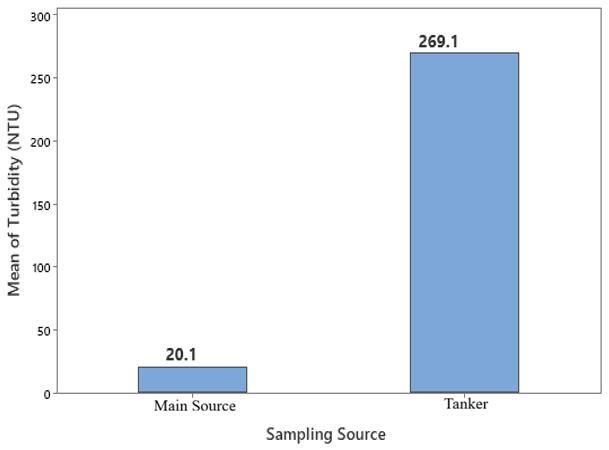
According to the Ministry of Sanitation and Water Resources and the WHO, turbidity in drinking water should not exceed 5 NTU, as elevated turbidity may indicate inadequate treatment, reduce consumer acceptability, and interfere with effective disinfection by shielding microorganisms from disinfectants (MWRWH, 2015; WHO, 2017) The turbidity levels observed in the tanker samples were far above this limit, suggesting possible contamination during storage, poor cleaning of tanker containers, or re-suspension of sediments during transportation.
Comparable findings have also been reported in Ghana. Arko et al. (2019) assessed mobile tanker water services in Dodowa, Greater Accra Region, and reported a mean turbidity of 7.37 ± 9.00 NTU, exceeding the WHO and Ghana Standards Authority guideline value of 5 NTU. The authors attributed the elevated turbidity to inadequate cleaning of tanker containers, which may promote the accumulation of suspended particles and microbial contamination. Similarly, Obeng et al. (2010) reported elevated turbidity levels in tanker-vended water in Cape Coast, attributing the deterioration in water quality to poor hygiene and inadequate maintenance of tanker trucks during distribution.
4.7 Salinity
Both source and tanker water exhibited low and fairly constant salinity levels, with mean values of 0.075 ± 0.01 ppt and 0.083 ± 0.01 ppt, respectively (Fig. 8). Statistical analysis showed no significant difference between the two sources (p=0.140), indicating that transportation by tanker did not have a measurable effect on salinity levels. Salinity in drinking water generally reflects the presence of dissolved salts such as sodium, chloride, and sulphate, which may originate from geological processes, seawater intrusion, or anthropogenic activities. Currently, neither the World Health Organization (WHO) nor the Ghana Standards Authority (GSA) has established a specific guideline limit for salinity in drinking water; however, salinity is commonly assessed indirectly through parameters such as total dissolved solids (TDS), electrical conductivity, and major ions (e.g., sodium, chloride, and sulphate). Nonetheless, salinity remains a relevant parameter because it can influence taste, corrosivity, and contribute to total dissolved solids (TDS) (WHO, 2017).
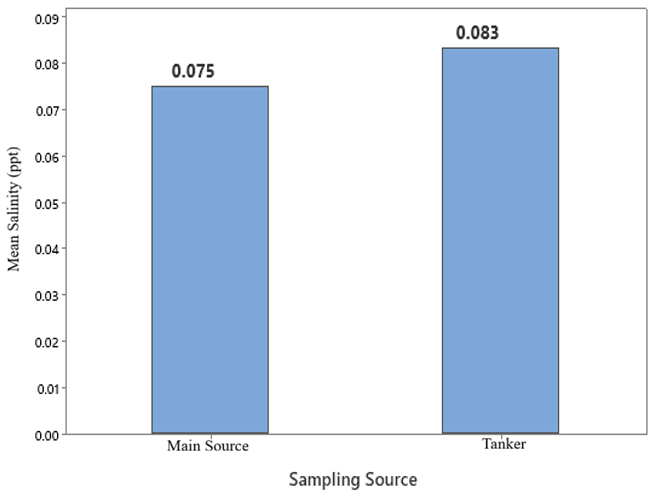
Ekwar et al. (2025) reported slightly higher salinity levels (0.13 ± 0.41 ppt) in drinking water samples from the Upper East Region of Ghana, though still within the acceptable sensory threshold of 0.10 ppt for taste and health. The relatively low salinity values observed in the present study suggest minimal salt intrusion and indicate that both source and tanker water fell within acceptable sensory and quality limits.
4.8 Total Coliforms
The findings as presented in Table 1 revealed substantial variation in total coliform concentrations among the tanker water samples, with a mean of 39.13 ± 44.4 CFU/100 mL, while the source water had no detectable coliforms. This indicates that microbial contamination occurred during handling, transport, or storage.
Table 1Water Quality Parameters and Recommended Guideline Limits.

According to WHO (2017), no total coliforms should be detected in 100 mL of drinking water, as their presence indicates post-treatment contamination, ineffective disinfection, or microbial re-growth arising from poor storage, handling, or container deterioration. These results are consistent with previous studies on tanker-vended drinking water, which reported irregular microbial contamination associated with inadequate tanker hygiene, poor handling practices, and insufficient disinfection during water transportation and distribution (Obeng et al., 2010; Awere and Anornu, 2016). LeChevallier et al. (1996) demonstrated that microbial regrowth in drinking-water distribution systems is strongly influenced by operational factors, including inadequate disinfectant residuals, water temperature, and distribution system conditions, emphasizing the importance of maintaining appropriate disinfection and system hygiene to prevent post-treatment contamination. The high variability in total coliform counts observed in this study underscores the urgent need for regulatory oversight and improved sanitary practices in tanker water distribution, in order to protect public health and ensure the delivery of safe drinking water.
4.9 Faecal Coliforms
Similarly, faecal coliform concentrations in the tanker samples (16 ± 35 CFU/100 mL) showed marked variability (Table 1). These inconsistencies in microbial quality indicate possible deficiencies in tanker sanitation, cleaning practices, and protection against contamination during water transport and distribution. Consequently, some tanker samples failed to meet the microbiological requirements recommended by the World Health Organization (WHO) and the Ghana Standards Authority (GSA), which require zero detectable faecal coliforms (0 CFU/100 mL) in drinking water samples (WHO, 2022; GSA, 2013). The presence of faecal coliforms in tanker water therefore highlights potential public health risks associated with inadequately managed tanker water supplies. These organisms are widely recognized as reliable indicators of faecal contamination and the potential presence of waterborne pathogens (Ashbolt, 2004; WHO, 2017). Their detection in drinking water points to contamination from human or animal faecal matter, posing serious health risks, particularly in communities with limited access to water treatment and healthcare facilities. In the present study, faecal coliform levels reached a maximum of 400 CFU/100 mL in some tanker samples, clearly violating international drinking water safety requirements, which stipulate those faecal coliforms should be absent in any 100 mL sample (WHO, 2017). Such high levels indicate contamination likely introduced post-treatment, most plausibly during collection, storage, or transport.
These findings align with those of LeChevallier et al. (1996) and Edokpayi et al. (2018), who also highlighted that tanker-distributed and other mobile water supply systems are especially vulnerable to microbial re-contamination. The results therefore emphasize the need for stricter hygiene protocols, routine disinfection of tanker containers, and enhanced monitoring systems to ensure consumer safety and safeguard public health.
4.10 Correlation Matrix Between Physiochemical Parameters
The correlation analysis (Fig. 9) revealed several important relationships among the physicochemical parameters of tanker-supplied water. A very strong positive correlation was observed between electrical conductivity (EC) and total dissolved solids (TDS) (r = 0.95–1.0), confirming that dissolved ionic constituents are the primary contributors to electrical conductivity in the water. This finding is consistent with previous studies that reported a strong positive linear relationship between EC and TDS in both natural and treated water systems (Essumang et al., 2011; Hubert and Wolkersdorfer, 2015; Rusydi, 2018). Similarly, salinity exhibited strong positive correlations with both EC and TDS, indicating that dissolved salts substantially influence the ionic composition and mineral content of the water. These relationships are expected because salinity, electrical conductivity (EC), and total dissolved solids (TDS) are closely interrelated parameters that reflect the concentration of dissolved inorganic constituents, particularly major ions such as sodium, chloride, calcium, magnesium, and sulphate. Similar relationships between EC, TDS, and dissolved ion concentrations have been widely reported in groundwater quality assessments (Hem, 1985; WHO, 2022). A strong negative correlation was observed between pH and oxidation–reduction potential (ORP), indicating that increasing alkalinity was associated with a decline in the oxidizing capacity of the water. The relatively low ORP values recorded in this study may therefore explain the occurrence of microbial contamination in some tanker water samples despite acceptable pH levels.
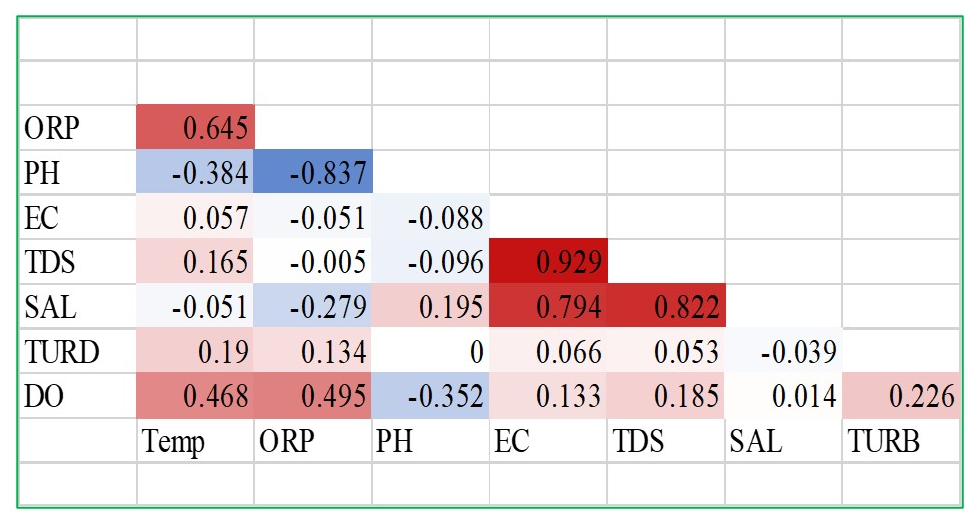
In contrast, turbidity showed weak or negligible correlations with EC, TDS, and salinity, suggesting that suspended particles and colloidal materials, rather than dissolved ions, were the principal contributors to water turbidity. This finding indicates that the elevated turbidity observed in tanker water was more likely associated with inadequate cleaning of tanker interiors, sediment resuspension during transportation, or contamination introduced during handling rather than changes in dissolved mineral content. Similar observations have been reported by Ekwar et al. (2025) and other studies on urban drinking-water quality.
Overall, the correlation analysis demonstrates that while EC, TDS, and salinity are strongly interrelated indicators of dissolved constituents, turbidity and ORP reflect different aspects of water quality associated with particulate contamination and disinfection efficiency, respectively. These findings reinforce the need to monitor multiple physicochemical parameters concurrently to provide a comprehensive assessment of the quality and safety of tanker-supplied drinking water.
4.11 Source of Water for Tanker Operators
The survey revealed that the majority of tanker operators (92 %) sourced their water from the GWCL, while 6 % obtained water from surface water bodies and only 2 % relied on boreholes (Fig. 10). The predominance of GWCL as the principal water source suggests that most operators depend on treated municipal water, which is expected to comply with national drinking water quality standards before distribution. This finding indicates that the microbial contamination and deterioration in water quality observed in the present study are more likely attributable to post-treatment contamination during transportation, storage, and handling than to the quality of the source water itself.
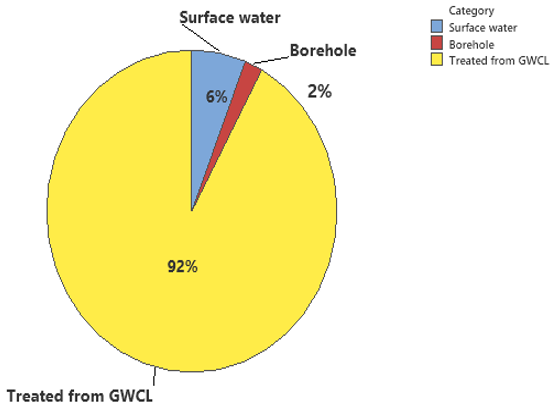
Nevertheless, the use of surface water and boreholes by a small proportion (8 %) of operators raises concerns because these sources may not receive adequate treatment before distribution. Water obtained from untreated or poorly protected sources is generally more susceptible to microbial contamination and fluctuations in physicochemical quality, thereby increasing potential public health risks if appropriate treatment is not applied before delivery to consumers.
The observed reliance on GWCL is consistent with Ghana's National Water Policy (Ministry of Water Resources, Works and Housing (MWRWH), 2007), which promotes universal access to safe and reliable drinking water while reducing dependence on unimproved water sources. Likewise, the Ghana WASH Sector Programme (2021–2030) seeks to improve equitable access to safe drinking water in support of Sustainable Development Goal 6 (SDG 6). However, the findings of this study demonstrate that ensuring the quality of source water alone is insufficient to guarantee safe drinking water. Effective regulation of tanker operations, routine inspection of water transport systems, and strict adherence to hygienic handling practices are equally essential to preserve water quality throughout the distribution chain.
4.12 Tanker Cleaning Frequency
The assessment of tanker cleaning practices revealed important operational factors that may contribute to the deterioration of water quality during distribution in the Tamale Metropolis. Survey results showed that 62 % of tanker operators cleaned their tanks weekly, 20 % after every trip, 8 % monthly, and 10 % only occasionally (Fig. 11). Consequently, nearly one-fifth (18 %) of the operators cleaned their tanks infrequently, increasing the likelihood of sediment accumulation, biofilm formation, and microbial growth within tanker reservoirs.
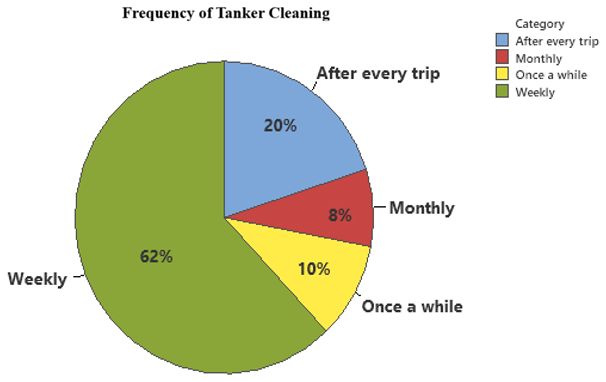
The laboratory findings support these observations. While water obtained directly from the GWCL showed no detectable total or faecal coliforms, microbial contamination was detected in several tanker water samples, indicating that contamination most likely occurred during transportation or storage. In addition, tanker-distributed water exhibited higher turbidity, total dissolved solids (TDS), electrical conductivity (EC), and temperature than the source water, suggesting that inadequate tanker maintenance and poor hygiene practices contributed to the deterioration of water quality. Elevated water temperatures have often been associated with increased bacterial abundance in drinking water distribution systems (Servais et al., 1992; Kerneis et al., 1995; Francisque et al., 2009; Liu et al., 2013), and with higher numbers in indicator organisms such as coliforms or Aeromonas (Burke et al., 1984; Volk and Joret, 1994).These findings demonstrate that regular cleaning alone may not be sufficient to maintain the microbiological integrity of tanker-delivered drinking water. The effectiveness of cleaning depends on its frequency, the cleaning procedures employed, and the use of appropriate disinfection methods. The results therefore support the recommendations of the Ghana Standards Authority (GSA, 2013) and the World Health Organization (WHO, 2022) which advocate routine cleaning, effective disinfection, periodic inspection, and continuous monitoring of water tankers to minimize contamination risks and protect public health.
4.13 Safety Assurance Method
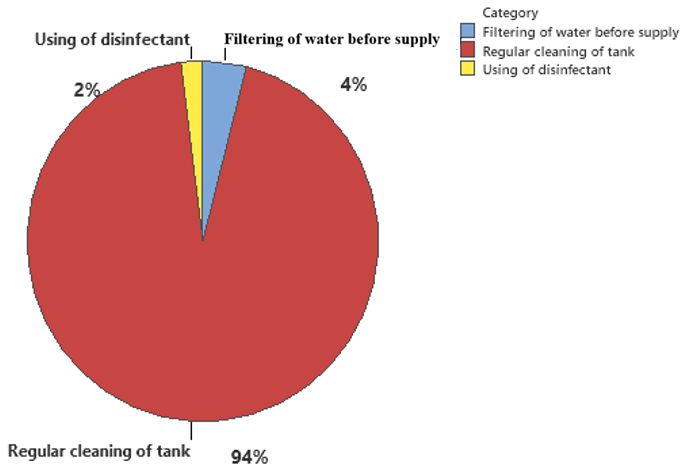
The survey revealed that the majority of tanker operators (94 %) relied primarily on regular cleaning of their tanks to ensure water safety, while only 4 % and 2 % employed filtration and chemical disinfection, respectively (Fig. 12). Although routine cleaning helps to remove sediments and visible debris, it does not necessarily eliminate pathogenic microorganisms or prevent microbial regrowth within tanker reservoirs. Consequently, cleaning alone cannot guarantee the microbiological safety of tanker-delivered drinking water. This limitation was reflected in the laboratory findings. Despite the widespread reliance on routine cleaning, faecal coliforms were detected in tanker water samples, with concentrations reaching up to 70 CFU/100 mL, whereas no faecal coliforms were detected in water obtained directly from the GWCL. These results indicate that contamination most likely occurred during transportation, storage, or handling, highlighting deficiencies in current hygiene and sanitation practices. Further evidence of water quality deterioration was provided by the elevated physicochemical characteristics of tanker water, including increased turbidity, total dissolved solids (TDS), and electrical conductivity (EC) relative to the source water. These changes may reflect the accumulation of sediments, biofilm formation on tanker surfaces, or contamination introduced during repeated use of inadequately disinfected storage tanks. The limited adoption of filtration and chemical disinfection by tanker operators therefore represents a significant weakness in current water safety management practices. These findings support the recommendations of the Ghana Standards Authority (GSA, 2013), the Ministry of Sanitation and Water Resources (2023), and the World Health Organization (WHO, 2022), which emphasize that effective water safety management extends beyond routine cleaning. Regular inspection of tanker systems, systematic cleaning combined with appropriate disinfection, maintenance of adequate disinfectant residuals, and periodic microbiological monitoring are essential to preserve water quality throughout transportation and distribution and to safeguard public health.
This study demonstrated that although water obtained from the Ghana Water Company Limited generally met drinking-water quality standards at the source, its quality deteriorated during tanker transportation and storage. Most physicochemical parameters remained within acceptable WHO guideline values; however, turbidity consistently exceeded recommended limits, while oxidation-reduction potential values indicated inadequate disinfection conditions. More importantly, the detection of total and faecal coliforms in tanker-distributed water confirmed post-treatment microbial contamination, highlighting deficiencies in tanker hygiene and handling practices.
Survey findings further revealed that variations in cleaning frequency and limited use of effective disinfection measures contributed to the observed deterioration in water quality. These results indicate that maintaining source-water quality alone is insufficient to guarantee safe drinking water where tanker distribution systems are widely used.
The study therefore recommends the establishment of routine inspection and certification programmes for commercial water tankers, mandatory cleaning and disinfection protocols, periodic microbiological monitoring, and targeted training for tanker operators on safe water handling practices. Strengthening regulatory oversight of tanker water supply systems will be essential for protecting public health and ensuring the delivery of safe drinking water in rapidly urbanising communities such as the Tamale Metropolis.
The water quality data used in this study were obtained from commercial water tanker suppliers in the Tamale Metropolis, Northern Region, Ghana. Laboratory analyses were conducted at the WICWISA laboratory, University for Development Studies. The datasets generated and/or analysed during the current study are available from the corresponding author upon reasonable request.
Richard Agyemang Osei: Conceptualization, Methodology, Software, Formal analysis, Investigation, Resources, Data curation, Writing-original draft preparation.
Moses Braimah Wunpini: Conceptualization, Methodology, Data curation Software, Formal analysis, Writing-original draft preparation, Writing-review and editing.
The contact author has declared that neither of the authors has any competing interests.
Publisher's note: Copernicus Publications remains neutral with regard to jurisdictional claims made in the text, published maps, institutional affiliations, or any other geographical representation in this paper. The authors bear the ultimate responsibility for providing appropriate place names. Views expressed in the text are those of the authors and do not necessarily reflect the views of the publisher.
This article is part of the special issue “Circular Economy and Technological Innovations for Resilient Water and Sanitation Systems in Africa II”. It is a result of the 2nd Edition of the C2EA Water and Sanitation Week on “From Research to Innovation and Technology Transfer”, Cotonou, Benin, 3–5 June 2025.
The authors gratefully acknowledge the C2EA (Centre d'Excellence d'Afrique pour l'Eau et l'Assainissement) for the opportunity to participate in the 2nd Edition of the C2EA Water and Sanitation Week and sincerely appreciate its support for the publication of this work in the Proceedings of the International Association of Hydrological Sciences (PIAHS).
Declaration of generative AI and AI-assisted technologies in the writing process. During the preparation of this work, the author(s) used AI-assisted technologies to improve grammar. After using this tool, the author(s) reviewed and edited the content as needed and takes full responsibility for the content of the published article.
This research was supported by the West African Centre for Water, Irrigation and Sustainable Agriculture (WACWISA), University for Development Studies, through funding from the Government of Ghana and the World Bank under the African Centres of Excellence for Development Impact (ACE Impact) initiative (IDA Credit No. 6389).
This paper was edited by Audace Amen V. Dossou-Olory and reviewed by Adeniyi Adeleye and one anonymous referee.
Abdulai, A. and Kuwornu, J. K. M.: Climate variability and agricultural productivity in Northern Ghana, Clim. Dev., 6, 149–159, https://doi.org/10.1080/17565529.2013.867248, 2014.
Alba, R., Bruns, A., Bartels, L. E., and Kooy, M.: Water Brokers: Exploring Urban Water Governance Through The Practices of Tanker Water Supply in Accra, Water, 11, 1919, https://doi.org/10.3390/w11091919, 2019.
Arko, W. E., Hodgson, I. O. A., and Nyame, F. K.: Assessment of drinking water quality at Dodowa in the Dangbe West district of the Greater-Accra region, Ghana, Afr. J. Environ. Sci. Technol., 13, 181–190, https://doi.org/10.5897/AJEST2019.2653, 2019.
Ashbolt, N. J.: Microbial contamination of drinking water and disease outcomes in developing regions, Toxicology, 198, 229–238, https://doi.org/10.1016/j.tox.2004.01.030, 2004.
Awere, E. and Anornu, G. K.: The contribution of water tanker operations to the health of water consumers in Cape Coast Metropolis, Ghana, Int. J. Environ. Sci., 7, 105–112, https://indianjournals.com/api/article-view/ijes-7-1-010 (last access: 10 June 2026), 2016.
Bain, R., Cronk, R., Hossain, R., Bonjour, S., Onda, K., Wright, J., Yang, H., Slaymaker, T., Hunter, P., Prüss-Ustün, A., and Bartram, J.: Global assessment of exposure to faecal contamination through drinking water based on a systematic review, Trop. Med. Int. Health, 19, 917–927, https://doi.org/10.1111/tmi.12334, 2014.
Bewick, V., Cheek, L., and Ball, J.: Statistics review 12: Survival analysis, Crit. Care, 8, 389–394, https://doi.org/10.1186/cc2955, 2004.
Borah, G.: Urban water stress: Climate change implications for water supply in cities, Water Conserv. Sci. Eng., 10, 20, https://doi.org/10.1007/s41101-025-00344-5, 2025.
Burke, V., Robinson, J., Gracey, M., Peterson, D., and Partridge, K.: Isolation of Aeromonas hydrophila from a metropolitan water supply: Seasonal correlation with clinical isolates, Appl. Environ. Microb., 48, 361–366, 1984.
Creswell, J. W. and Creswell, J. D.: Research Design: Qualitative, Quantitative, and Mixed Methods Approaches, 5th edn., SAGE Publications, Thousand Oaks, CA, USA, ISBN 978-1-5063-8670-6, https://uk.sagepub.com/en-gb/eur/research-design-international-student-edition/book258102?utm (last access: 13 July 2026), 2018.
Edokpayi, J. N., Rogawski, E. T., Kahler, D. M., Hill, C. L., Reynolds, C., Nyathi, E., Smith, J. A., Odiyo, J. O., Samie, A., Bessong, P., and Dillingham, R.: Challenges to sustainable safe drinking water: A case study of water quality and use across seasons in rural communities in Limpopo Province, South Africa, Water, 10, 159, https://doi.org/10.3390/w10020159, 2018.
Ekwar, P., Kitaka, N., and Muia, A. W.: Physicochemical and bacteriological quality of tanker-vended water supply chain in Lodwar Town, Kenya, J. Water Sanit. Hyg. Dev., 15, 398–411, https://doi.org/10.2166/washdev.2025.301, 2025.
Essumang, D. K., Osei-Fosu, P., and Agyemang, M.: Physicochemical and microbiological quality of sachet and tap water in the Central Region of Ghana, Environ. Monit. Assess., 173, 617–624, 2011.
Francisque, A. R., Miranda-Moreno, L. F., Sadiq, R., and Proulx, F.: Modeling of heterotrophic bacteria counts in a water distribution system, Water Res., 43, 1075–1087, https://doi.org/10.1016/j.watres.2008.11.030, 2009.
GSA (Ghana Standards Authority): Drinking Water Specification, GS 175-1:2013, Ghana Standards Authority, Accra, Ghana, 2013.
Hem, J. D.: Study and Interpretation of the Chemical Characteristics of Natural Water, 3rd edn., U.S. Geological Survey Water-Supply Paper 2254, U.S. Geological Survey, https://doi.org/10.3133/wsp2254, 1985.
Howard, G. and Bartram, J.: Domestic Water Quantity, Service Level and Health, World Health Organization, Geneva, Switzerland, WHO/SDE/WSH/03.02, https://iris.who.int/bitstream/10665/67884/1/WHO_SDE_WSH_03.02.pdf?utm (last access: 7 July 2026), 2003.
Hubert, E. and Wolkersdorfer, C.: Establishing a conversion factor between electrical conductivity and total dissolved solids in South African mine waters, Water SA, 41, 490–500, https://doi.org/10.4314/wsa.v41i4.08, 2015.
Hutin, Y., Luby, S., and Paquet, C.: A large cholera outbreak in Kano City, Nigeria: the importance of hand washing with soap and the danger of street-vended water, J. Water Health, 1, 45–52, 2003.
Kerneis, A., Nakache, F., Deguin, A., and Feinberg, M.: The effects of water residence time on the biological quality in a distribution network, Water Res., 29, 1719–1727, https://doi.org/10.1016/0043-1354(94)00323-Y, 1995.
Kumpel, E. and Nelson, K. L.: Intermittent water supply: Prevalence, practice, and microbial water quality, Environ. Sci. Technol., 50, 542–553, https://doi.org/10.1021/acs.est.5b03973, 2016.
LeChevallier, M. W., Welch, N. J., and Smith, D. B.: Full-scale studies of factors related to coliform regrowth in drinking water, Appl. Environ. Microb., 62, 2201–2211, https://doi.org/10.1128/AEM.62.7.2201-2211.1996, 1996.
Lipps, W. C., Braun-Howland, E. B., and Baxter, T. E. (Eds.): Standard Methods for the Examination of Water and Wastewater, 24th edn., American Public Health Association, American Water Works Association, and Water Environment Federation, Washington, DC, USA, ISBN 978-0-87553-299-8, https://www.standardmethods.org/24theditioncitation (last access: 20 April 2026), 2023.
Liu, G., Verberk, J. Q. J. C., and Van Dijk, J. C.: Bacteriology of drinking water distribution systems: An integral and multidimensional review, Appl. Microbiol. Biot., 97, 9265–9276, https://doi.org/10.1007/s00253-013-5217-y, 2013.
Ministry of Sanitation and Water Resources: Ghana WASH Sector Development Programme (GWASHSDP) 2021–2030, Government of Ghana, Accra, Ghana, https://www.rural-water-supply.net/en/resources/1154-ghana-wash-sector-development-programme-gwashsdp-2021-2030?utm (last access: 1 July 2026), 2023.
Ministry of Water Resources, Works and Housing: National Water Policy, Government of Ghana, Accra, Ghana, https://www.ircwash.org/sites/default/files/Ghana-2007-National.pdf (last access: 10 August 2026), 2007.
MWRWH (Ministry of Water Resources, Works and Housing, Government of Ghana): National Drinking Water Quality Management Framework for Ghana, Government of Ghana, Accra, Ghana, https://washghana.org/wp-content/uploads/2024/04/DWQMF-.pdf (last access: 4 August 2026), 2015.
Obeng, P. A., Dwamena-Boateng, P., and Asare, D. N.: Alternative drinking water supply in low-income urban settlements using tankers: A quality assessment in Cape Coast, Ghana, Manag. Environ. Qual., 21, 494–504, https://doi.org/10.1108/14777831011049124, 2010.
Obiri-Danso, K., Adjei, M. B., and Jones, K.: Microbiological quality and metal levels in wells and boreholes in some peri-urban communities in Kumasi, Ghana, Afr. J. Environ. Sci. Technol., 3, 75–83, 2009.
Osumanu, I. K.: Private sector participation in urban water and sanitation provision in Ghana: Experiences from the Tamale Metropolitan Area, Environ. Manage., 42, 102–110, https://doi.org/10.1007/s00267-008-9107-5, 2008.
Osumanu, I. K., Boasu, B. Y., and Tamimu, M.: Spatial analysis of urban expansion and household water supply in the Tamale Metropolis, Ghana, Cleaner Waste Syst., 11, 100274, https://doi.org/10.1016/j.clwas.2025.100274, 2025.
Rice, E. W., Baird, R. B., Eaton, A. D., and Clesceri, L. S. (Eds.): Standard Methods for the Examination of Water and Wastewater, 22nd edn., American Public Health Association, Washington, DC, USA, ISBN 978-0-87553-013-0, 2012.
Rusydi, A. F.: Correlation between conductivity and total dissolved solids in various types of water: A review, IOP Conf. Ser.: Earth Environ. Sci., 118, 012019, https://doi.org/10.1088/1755-1315/118/1/012019, 2018.
Sawyer, C. N., McCarty, P. L., and Parkin, G. F.: Chemistry for Environmental Engineering and Science, 5th edn., McGraw-Hill, New York, USA, ISBN 978-0-07-248066-5, 2003.
Servais, P., Billen, G., Laurent, P., Levi, Y., and Randon, G.: Studies of BDOC and bacterial dynamics in the drinking water distribution system of the Northern Parisian suburbs, Rev. Sci. Eau, 5, 69–89, https://doi.org/10.7202/705154ar, 1992.
Srinivasan, V., Konar, M., and Sivapalan, M.: A dynamic framework for water security, Water Secur., 1, 12–20, https://doi.org/10.1016/j.wasec.2017.03.001, 2017.
Stoler, J., Weeks, J. R., and Fink, G.: When urban taps run dry: Sachet water consumption and health risks in Accra, Ghana, Health Place, 18, 1038–1047, 2012.
UNEP (United Nations Environment Programme): A Snapshot of the World's Water Quality: Towards a Global Assessment, United Nations Environment Programme, Nairobi, Kenya, ISBN 978-92-807-3555-0, https://uneplive.unep.org/media/docs/assessments/unep_wwqa_report_web.pdf (last access: 17 August 2026), 2016.
UN-Water: Summary Progress Update 2021: SDG 6 – Water and Sanitation for All, United Nations, Geneva, Switzerland, https://www.unwater.org/publications/summary-progress-update-2021-sdg-6-water-and-sanitation-all (last access: 18 August 2026), 2021.
UN-Water: United Nations World Water Development Report 2023: Partnerships and Cooperation for Water, UNESCO, Paris, France, https://unesdoc.unesco.org/ark:/48223/pf0000384655 (last access: 24 June 2026), 2023.
van der Perk, M.: Soil and Water Contamination: From Molecular to Catchment Scale, 2nd edn., CRC Press, Boca Raton, FL, USA, ISBN 978-0-415-68373-9, 2013.
Volk, C. and Joret, J. C.: Paramètres prédictifs de l'apparition des coliformes dans les réseaux de distribution d'eau d'alimentation, Rev. Sci. Eau, 7, 131–152, https://doi.org/10.7202/705193ar, 1994.
WHO (World Health Organization): Guidelines for Drinking-water Quality: Incorporating First Addendum to the Third Edition, Vol. 1, World Health Organization, Geneva, Switzerland, ISBN 978-92-4-154761-1, https://www.who.int/publications/i/item/9789241547611 (last access: 19 August 2026), 2008.
WHO: Guidelines for Drinking-water Quality, 4th edn., World Health Organization, Geneva, Switzerland, ISBN 978-92-4-154995-0, https://www.who.int/publications/i/item/9789241549950 (last access: 19 August 2026), 2017.
WHO: Guidelines for Drinking-water Quality: Fourth Edition Incorporating the Second Addendum, World Health Organization, Geneva, Switzerland, ISBN 978-92-4-004506-4, https://www.who.int/publications/b/62989 (last access: 10 August 2026), 2022.
WHO and UNICEF: Meeting the MDG Drinking Water and Sanitation Target: The Urban and Rural Challenge of the Decade, WHO and UNICEF, Geneva, Switzerland, ISBN 978-92-4-156325-3, https://www.who.int/publications-detail-redirect/9241563257 (last access: 11 August 2026), 2006.
WHO and UNICEF: Progress on Drinking Water, Sanitation and Hygiene: 2017 Update and SDG Baselines, World Health Organization and UNICEF, Geneva, Switzerland, ISBN 978-92-4-151289-3, https://www.who.int/publications/i/item/9789241512893 (last access: 11 July 2026), 2017.
WHO and UNICEF: Progress on Household Drinking Water, Sanitation and Hygiene 2000–2022: Special Focus on Gender, World Health Organization and UNICEF, Geneva, Switzerland, 2023.
Zar, J. H.: Biostatistical Analysis, 5th edn., Pearson Prentice Hall, Upper Saddle River, NJ, USA, 960 pp., ISBN 9780131008465, 2010.